Presentation Checks
Visit agreed common areas to address ordinary litter, accessible surfaces and small presentation issues within the service scope.
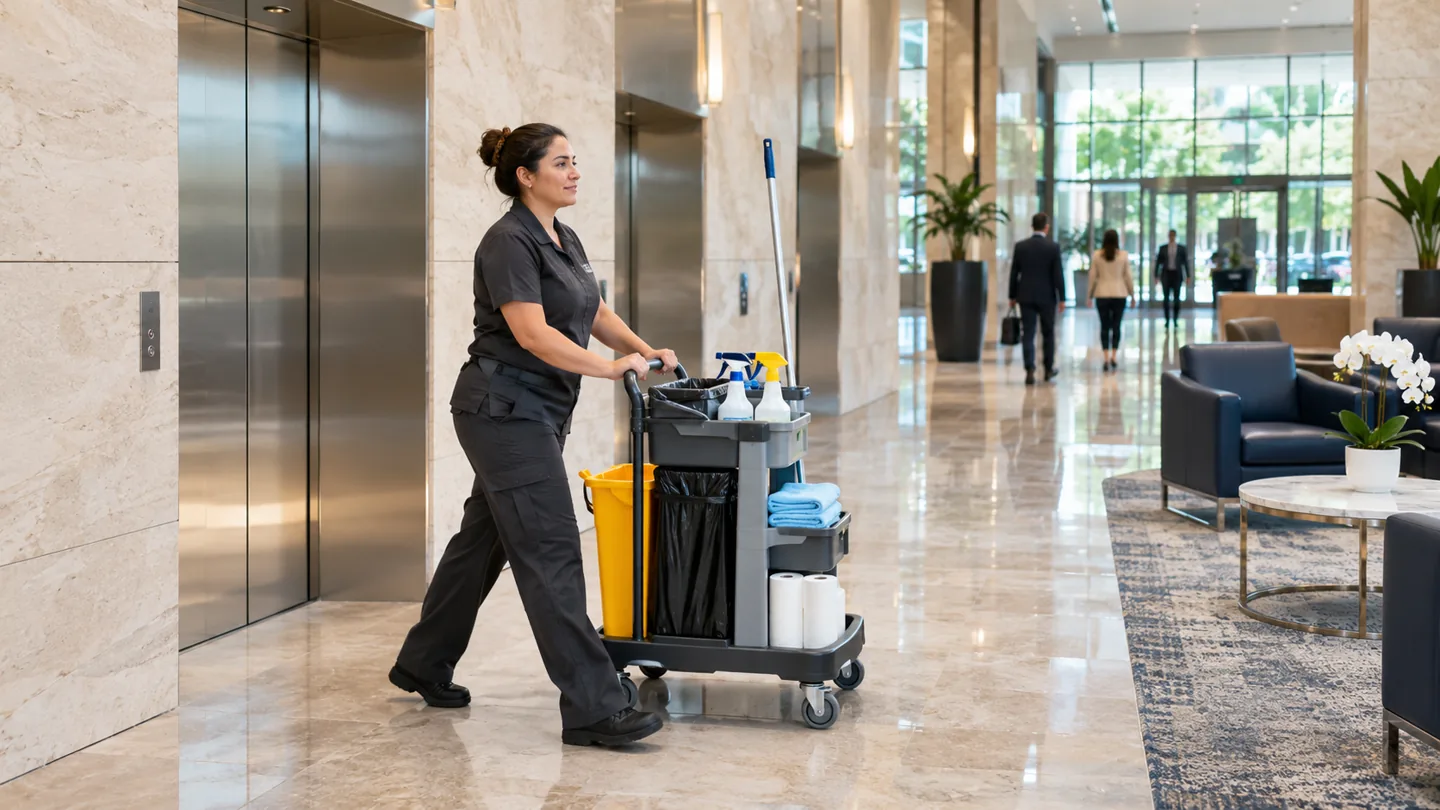
An agreed daytime cleaning presence for busy shared spaces, with tasks matched to your building’s daily rhythm.
Some buildings need attention between their scheduled cleans. A day porter can help keep entrances, shared kitchens and restrooms presentable while people are using them. The role works best with clear priorities, service hours and a building contact.
Daytime cleaning is different from an empty-building service. It requires awareness of visitors, quiet working where possible and a practical way to respond to changing needs. We agree the areas to monitor and the tasks that can be handled during occupied hours.
A porter arrangement can complement an evening cleaning team rather than replace it. Routine touch-ups, waste checks and reporting can happen during the day, with more involved floor or detail work reserved for quieter periods.
These are common areas of focus. Your proposal defines the exact tasks, surfaces and frequency for your building.
Visit agreed common areas to address ordinary litter, accessible surfaces and small presentation issues within the service scope.
Check bins and consumable levels, clean shared surfaces and carry out other agreed tasks without entering restricted areas.
Report maintenance faults, unusual spills and safety concerns to the designated building contact rather than attempting specialist repairs.
Service hours should follow peak occupancy and actual demand. A short daily visit may suit one building; another may need a longer presence. Staffing, breaks, response expectations and task boundaries are confirmed before service starts.
We review the practical details before confirming a service. Your cleaning plan should make room for the people using the space, the care requirements of the surfaces and any periods when access is limited.
Tell us about opening hours and busy periods when you request a walkthrough.
We discuss your building, priorities, surfaces and working hours.
Your proposal sets out tasks, frequency, access and expectations.
A named contact and regular reviews help the plan stay relevant.
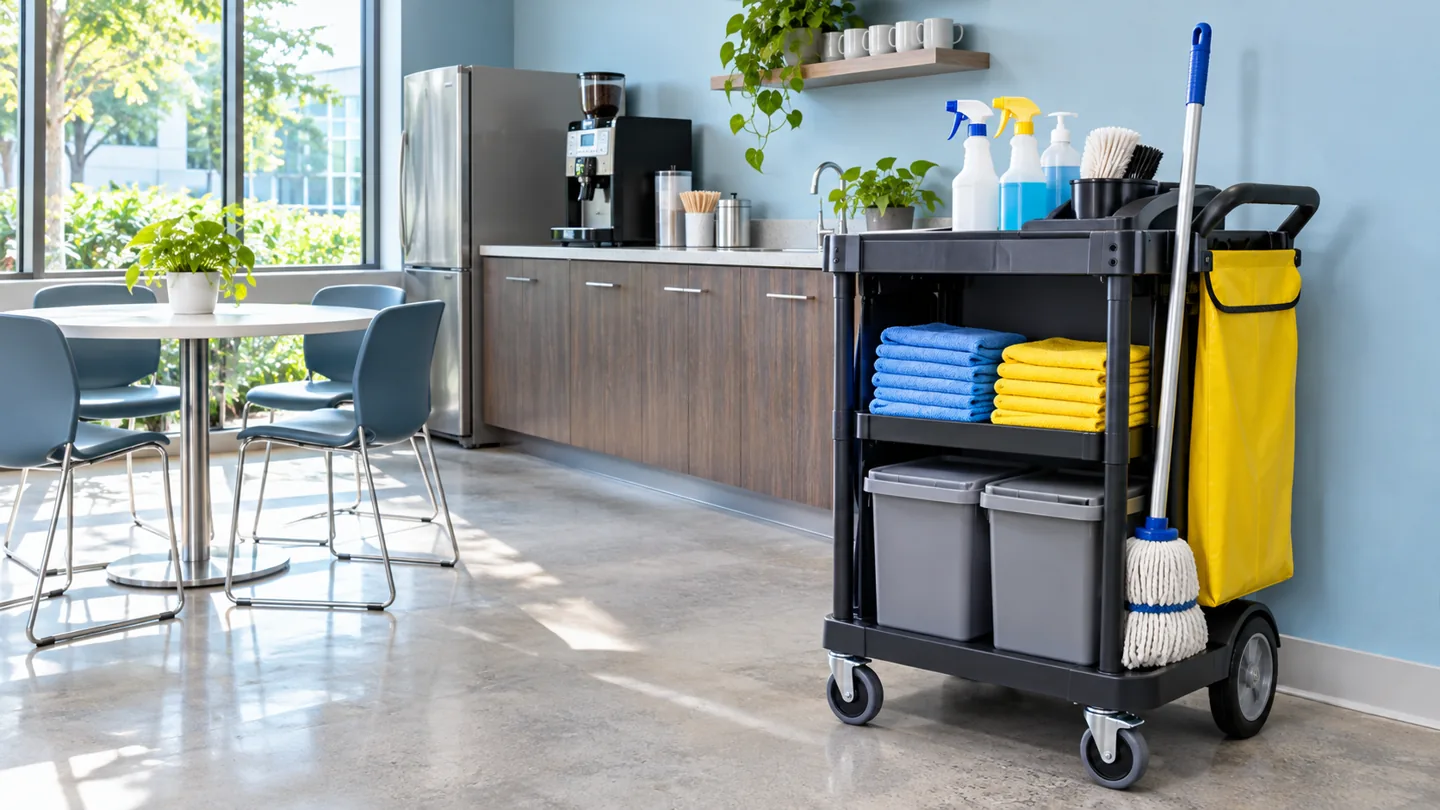
Provide a clear task list, approved supply storage, staff contact details and access instructions. Identify areas where noise, privacy or customer activity require extra care. Emergency procedures remain under the building’s management.
A day porter is not a security officer, maintenance technician or hazardous-spill responder. Tasks involving bodily fluids, unknown substances or electrical faults require the appropriate trained response.
Ask About Your SpaceA little clarity makes choosing a cleaning service easier. If your question is specific to your building, let’s talk.
Not necessarily. Daytime attention often supports presentation and spot tasks, while the evening team handles more comprehensive cleaning.
Requests should go through the agreed building contact so priorities and scope remain clear. New or specialist work may need separate approval.
Ordinary agreed spill response can be discussed. Hazardous or unknown substances require an appropriate specialist and are outside routine porter work.

Cleaning plans for shops, showrooms and customer-facing spaces that respect opening hours and merchandise.
Explore Service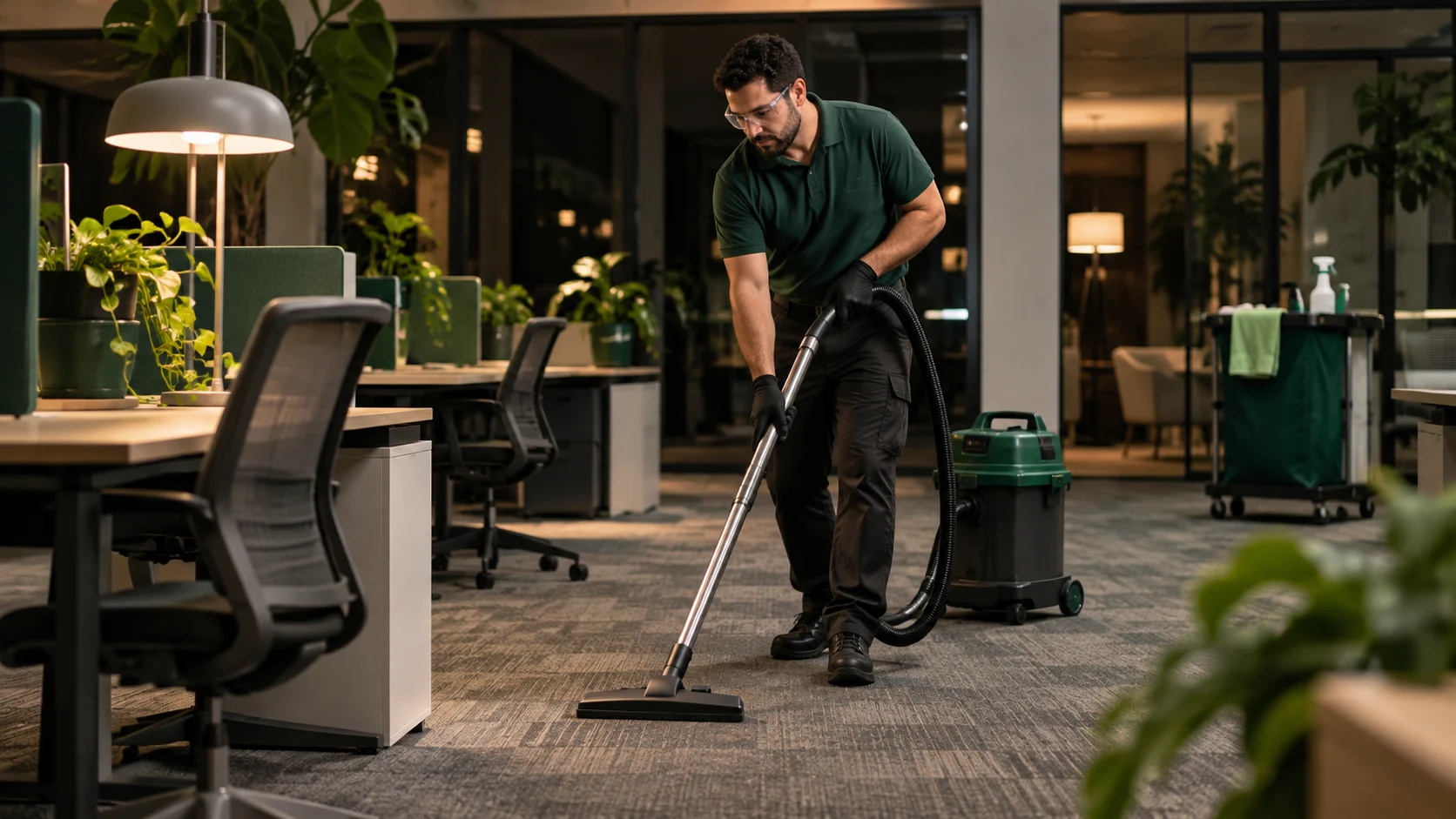
Thoughtful cleaning for desks, meeting rooms and the shared spaces that bring your team together.
Explore Service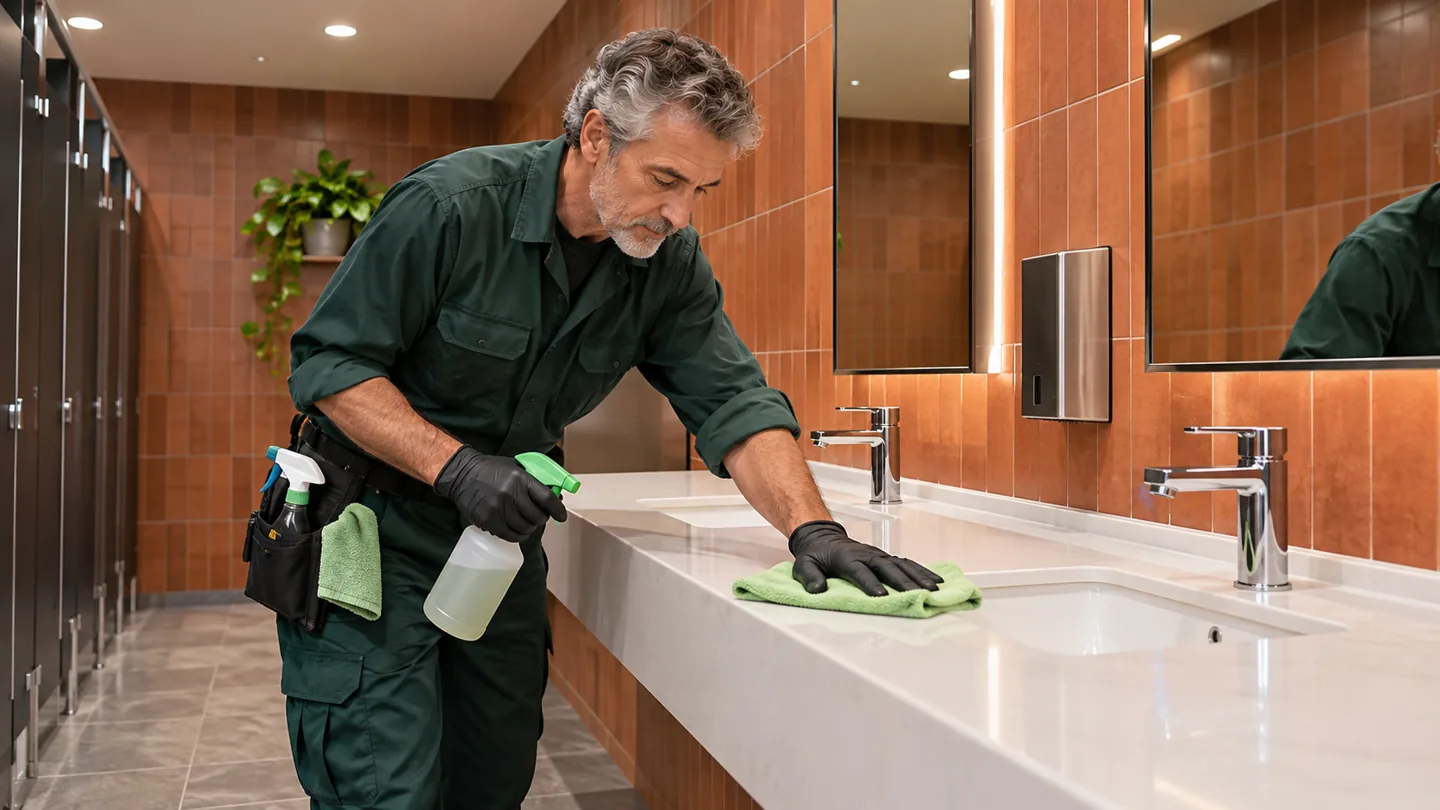
A dependable cleaning framework for common areas, facilities and the daily demands of a commercial property.
Explore ServiceTell us what needs attention. We’ll help shape a practical cleaning plan.